How to Choose the Right Dump Bed Cylinder for Your Truck?
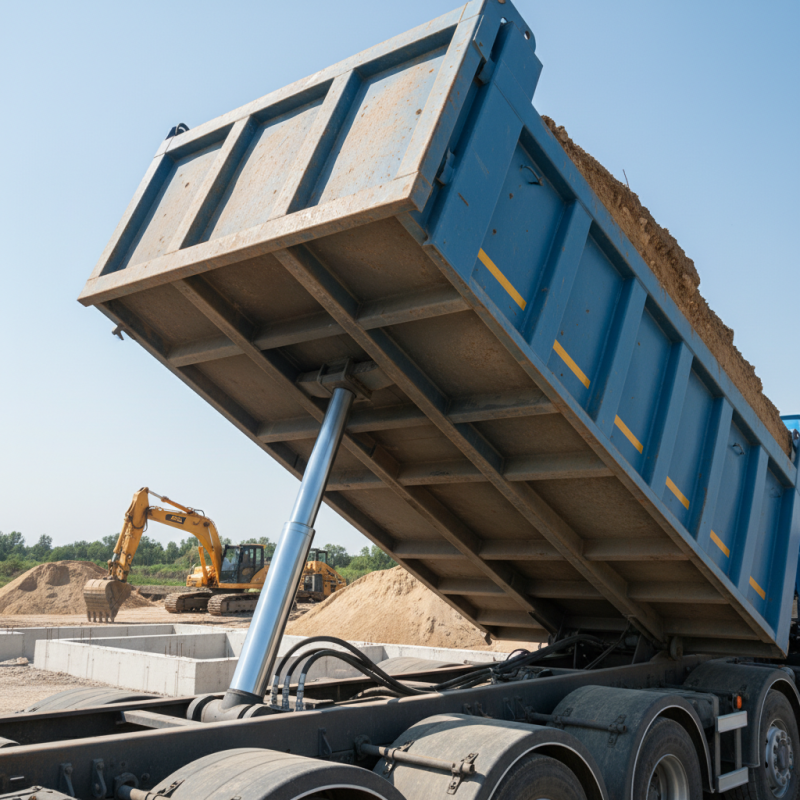
Choosing the right Dump Bed Cylinder for your truck is crucial for optimal performance. After all, this component is vital for the efficiency of any dump truck. An unsuitable cylinder can lead to underperformance and safety issues.
Consider the capacity and weight your truck will handle. Different Dump Bed Cylinders come in various sizes and strengths. You need one that matches your truck's specifications. A cylinder too weak may compromise function, while one too strong could lead to mechanical failure.
Experience shows that proper selection enhances the truck's overall capability. Researching and consulting experts can provide valuable insights. Don’t overlook the installation process; a poorly installed Dump Bed Cylinder can also lead to various issues. Take time to reflect on your needs and make an informed choice.
Factors to Consider When Selecting a Dump Bed Cylinder
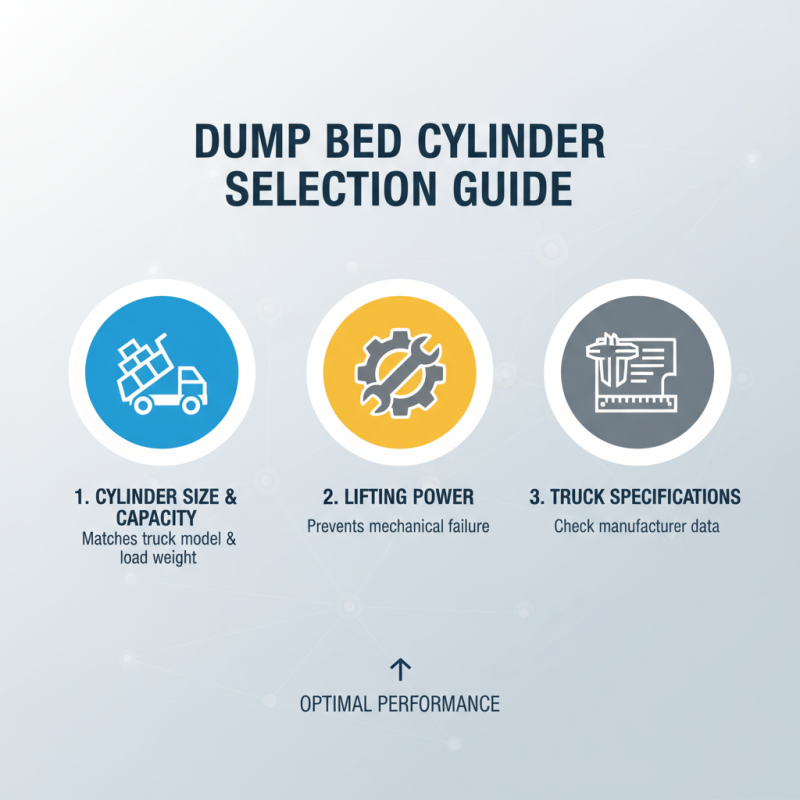
When selecting a dump bed cylinder for your truck, several key factors must be considered to ensure optimal performance. One primary factor is cylinder size and capacity. Different truck models require specific cylinder dimensions to function correctly. According to industry data, mismatched cylinder sizes can lead to reduced lifting power or potential mechanical failures. It’s crucial to check the truck's specifications and the intended load weight to choose accordingly.
Another important aspect is the type of hydraulic fluid the cylinder will use. Compatibility with oil types ensures the cylinder operates efficiently and lasts longer. Studies indicate that nearly 40% of cylinder damage arises from using inappropriate hydraulic fluids. Additionally, check for features like mounting styles and stroke length. These can impact the cylinder's ability to maneuver under various conditions. Investing in detailed research can prevent costly mistakes and enhance overall truck utility.
Durability is essential when choosing a dump bed cylinder. The construction materials significantly affect longevity. A cylinder made from high-quality steel may endure harsh conditions better than one made from inferior materials. Industry reports suggest that regular maintenance is vital; neglect can lead to irreparable damage over time. Balancing these factors requires careful thought and consideration, ensuring that your choice meets both operational needs and longevity standards.
Types of Dump Bed Cylinders and Their Applications
Choosing the right dump bed cylinder is crucial for efficiency and reliability in various applications. Understanding the types of dump bed cylinders can help make an informed decision. Generally, there are two main types:
single-acting and
double-acting cylinders.
Single-acting cylinders rely on hydraulic pressure for lifting, while gravity assists in lowering. They are often used in lighter applications, such as landscaping.
Conversely, double-acting cylinders are suitable for heavier loads. They provide more control over both lifting and lowering, making them ideal for construction tasks.
Professional reports indicate that the demand for double-acting cylinders has increased by 30% in the last five years, reflecting the trend toward higher-capacity trucks. Selecting the right cylinder depends on the truck’s weight capacity and the typical load. The size and type of hydraulic fluid used also play a pivotal role. Inadequate cylinder size can lead to inefficient operation or premature wear.
Tips: Always consider load dynamics when choosing a cylinder. Assess your specific needs. A common mistake is underestimating the load weight. Also, ensure that the installation aligns with safety guidelines. Regular maintenance checks can prevent costly breakdowns. Misjudging hydraulic fluid viscosity can lead to performance issues, raising concerns about reliability.
Understanding the Load Capacity Requirements for Your Truck
When selecting a dump bed cylinder, understanding your truck's load capacity is vital. According to industry reports, the load capacity of a truck can fluctuate significantly. A typical light-duty truck may have a capacity ranging from 1,500 to 2,500 lbs, while heavy-duty models can carry up to 7,500 lbs or more. These numbers are not just figures; they reflect the real-world demands of transporting materials like gravel or soil.
It's essential to match the cylinder's specifications with your truck's requirements. A mismatch can lead to inefficiency and potential safety hazards. Data shows that using cylinders rated improperly can decrease the lifespan of both the cylinder and the truck. For instance, an under-rated cylinder can fail, leading to costly downtime. A thorough assessment of weight distributions and potential overloads should be conducted.
Moreover, consider the material and pressure ratings of the cylinder you choose. High-quality hydraulic cylinders resist wear and stress better. However, a misconception exists that higher capacity always means better performance. Each truck and application differ, and what works for one may not work for another. Reflecting on these variable factors is important for making an informed decision.
Installation Guidelines for Dump Bed Cylinders
Proper installation of dump bed cylinders is crucial for the safe operation of your truck. According to industry reports, nearly 25% of hydraulic cylinder failures stem from improper installation. To prevent this, ensure that the mounting plates are aligned correctly. Misalignment can lead to unusual stress on the cylinder, reducing its lifespan significantly.
Before installation, thoroughly read the manufacturer's guidelines. Each cylinder design may vary, and knowing the specifications helps avoid costly mistakes. Check for the correct bolt size and torque requirements. A recent survey indicated that 30% of installation errors arise from using incorrect fasteners or tools. This serves as an important reminder to double-check your equipment before starting the process.
During installation, inspect seals and connections meticulously. A minor leak can lead to major problems down the road. Be aware of the hydraulic pressures involved. Maintaining them within recommended limits is essential to ensure operational efficiency. Many users overlook this detail, which could compromise safety. Remember, careful installation and regular maintenance can enhance the performance and longevity of your dump bed cylinder.
Dump Bed Cylinder Size and Weight Comparison
This chart illustrates the comparison of different dump bed cylinder sizes based on their weight. Understanding the weight of each size is essential for selecting the right cylinder for your truck's dump bed installation.
Maintenance Tips for Prolonging the Life of Dump Bed Cylinders
Maintaining dump bed cylinders is crucial for any trucking operation. It extends the life of the equipment and ensures efficiency. Regular inspections can identify issues early. For instance, according to a report by the Agricultural and Construction Equipment Manufacturers Association, proactive maintenance can reduce breakdowns by up to 30%. Observing leaks, cylinder wear, and fluid levels should be routine tasks.
Cleaning the cylinders is another essential practice. Dirt and debris can lead to corrosion and seal damage. Using a protective cover can shield cylinders from the elements. The University of Michigan’s mechanical engineering department notes that proper care can maximize the lifespan of hydraulic components significantly, sometimes extending it by years. Regular lubrication is equally important, as it reduces friction and wear.
Being mindful of operating practices matters too. Overloading dump bed cylinders can cause premature failure. All operators must be trained to understand the limits of their equipment. This educational approach can lead to much safer and more efficient operations. Documenting maintenance records helps identify patterns and potential issues as well. Evaluating both the operations and maintenance routines can lead to substantial improvements over time.
How to Choose the Right Dump Bed Cylinder for Your Truck? - Maintenance Tips for Prolonging the Life of Dump Bed Cylinders
| Dimension |
Measurement (inches) |
Material Type |
Operating Pressure (psi) |
Recommended Maintenance Frequency |
| Bore Diameter |
3.0 |
Steel |
2500 |
Every 100 hours |
| Rod Diameter |
1.5 |
Aluminum |
2500 |
Every 100 hours |
| Stroke Length |
36 |
Steel |
2500 |
Every 100 hours |
| Collapsed Length |
25 |
Steel |
2500 |
Every 100 hours |
| Extended Length |
61 |
Steel |
2500 |
Every 100 hours |

 +86-13349293098
 Contact WhatsApp
 Contact Email