What are Agricultural Cylinders and Their Applications in Farming
Agricultural cylinders play a crucial role in modern farming practices. These components help optimize machinery performance and improve efficiency. According to a recent report by AgriTech Insights, the agricultural cylinder market is projected to grow by 5% annually. This growth highlights the increasing importance of enhancing farming operations with advanced technology.
Dr. Emily Tanner, an expert in agricultural machinery, commented, "The right agricultural cylinders can significantly enhance productivity levels." This statement reflects a growing trend in the industry. Farmers are recognizing the value of precision equipment in their operations. However, challenges remain in adapting these technologies. Many operators lack training and resources to implement these systems fully.
As agriculture faces mounting pressures from climate change and population growth, the need for innovative solutions becomes vital. Agricultural cylinders are part of this evolution. However, effective implementation requires continuous improvement and adaptation. Balancing technology with traditional practices can make or break productivity gains in the sector.
Agricultural Cylinders: Definition and Overview
Agricultural cylinders are essential tools in modern farming. These devices typically consist of a cylindrical body that can store or transmit fluids. Often made from robust materials, they endure harsh agricultural environments. Farmers use them in various applications, such as irrigation systems and equipment hydraulics.
One key application of agricultural cylinders is in tillage equipment. They help adjust the depth and pressure of plows and seeders. This adjustment improves soil aeration, leading to better crop health. Farmers often face challenges in calibrating these cylinders accurately. A small error can impact crop yields significantly. Therefore, understanding how these cylinders work is crucial.
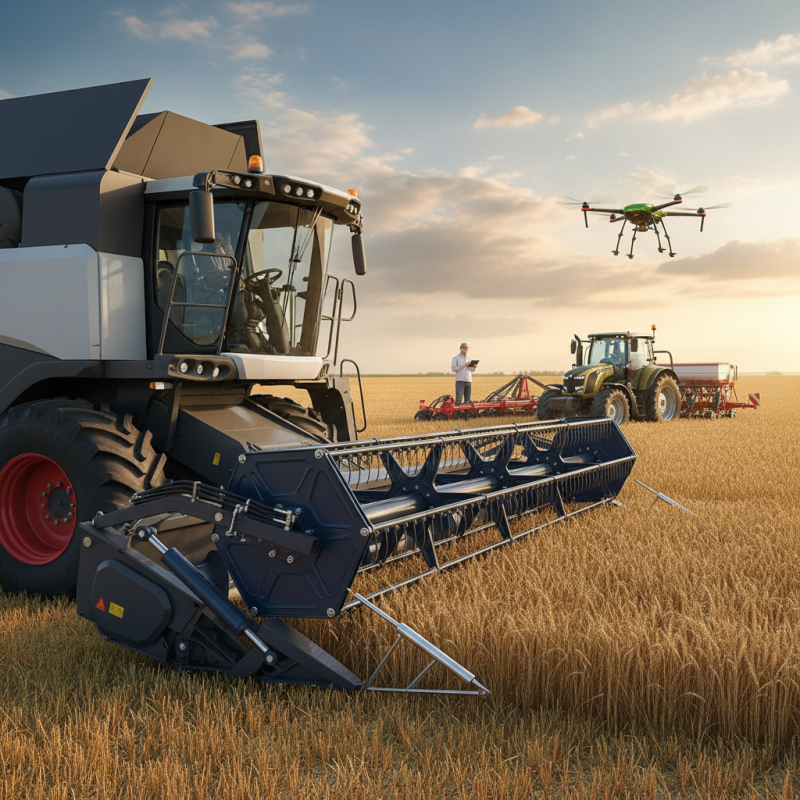
In addition, agricultural cylinders are instrumental in the operation of harvesting machinery. They assist in the lifting and lowering of cutting heads and other components. However, wear and tear can affect efficiency. Regular maintenance is necessary to maximize their lifespan. Yet, farmers sometimes overlook this, leading to unexpected breakdowns during crucial harvesting periods. Being proactive can mitigate these issues and enhance overall productivity.
Types of Agricultural Cylinders and Their Features
Agricultural cylinders play a vital role in modern farming. They come in various types, each designed for specific applications. The most common types include hydraulic cylinders, pneumatic cylinders, and mechanical cylinders. Each type varies in functionality and design, tailoring to the unique needs of different farming tasks.
Hydraulic cylinders are essential for heavy lifting. They offer significant power, allowing farmers to operate large machinery. These cylinders are often used in plowing and planting. However, they require careful maintenance to avoid leaks. Pneumatic cylinders are another option, utilizing compressed air for movement. They are often found in seeders. They can be effective but may underperform in very damp conditions.
Mechanical cylinders are more straightforward in design. They are used for tasks like adjusting equipment height. While simple, they can suffer from wear over time. Farmers must routinely check these systems for efficiency. Overall, understanding the unique features of each cylinder type helps in maximizing agricultural productivity. However, neglecting their maintenance can lead to unforeseen challenges.
What are Agricultural Cylinders and Their Applications in Farming
| Type of Agricultural Cylinder |
Key Features |
Common Applications |
Advantages |
| Hydraulic Cylinders |
Powerful, precise movement; able to generate high forces |
Plowing, lifting equipment, and tilting |
Efficiency in operations, reduced manual labor |
| Pneumatic Cylinders |
Quick response time; generally lighter weight |
Seeding and planting equipment |
Lower energy consumption, faster operation cycles |
| Mechanical Cylinders |
Durable; high load capacity; simple design |
Harvesting machinery and trailers |
Low maintenance costs, long service life |
| Telescopic Cylinders |
Multi-stage extension; compact design |
Dumping trailers and loaders |
Versatile operation, optimal space utilization |
| Double-Acting Cylinders |
Power in both directions; efficient energy usage |
Field cultivation and soil aeration |
High productivity, smoother operations |
Common Applications of Agricultural Cylinders in Farming
Agricultural cylinders play a crucial role in modern farming. These hydraulic tools facilitate many farming tasks. They help in lifting heavy loads, packing, and compacting soil. Farmers use these cylinders in tractors and other machinery. This usage enhances efficiency and productivity on the farm.
One common application is in planting equipment. Agricultural cylinders assist in controlling the depth of seed planting. They ensure that seeds are placed accurately in the soil. Adjustments in pressure allow for different soil conditions. This helps to optimize seed growth and yield, though miscalibration can lead to issues.
Another significant application is in irrigation systems. Agricultural cylinders regulate water flow and pressure. Proper irrigation is essential for healthy crops. However, managing cylinder performance can be tricky. Over or under-pressurization can cause water waste or inadequate irrigation. Farmers must remain vigilant to avoid these pitfalls. Such challenges remind us that continuous learning is key in agriculture.
Benefits of Using Agricultural Cylinders in Crop Production
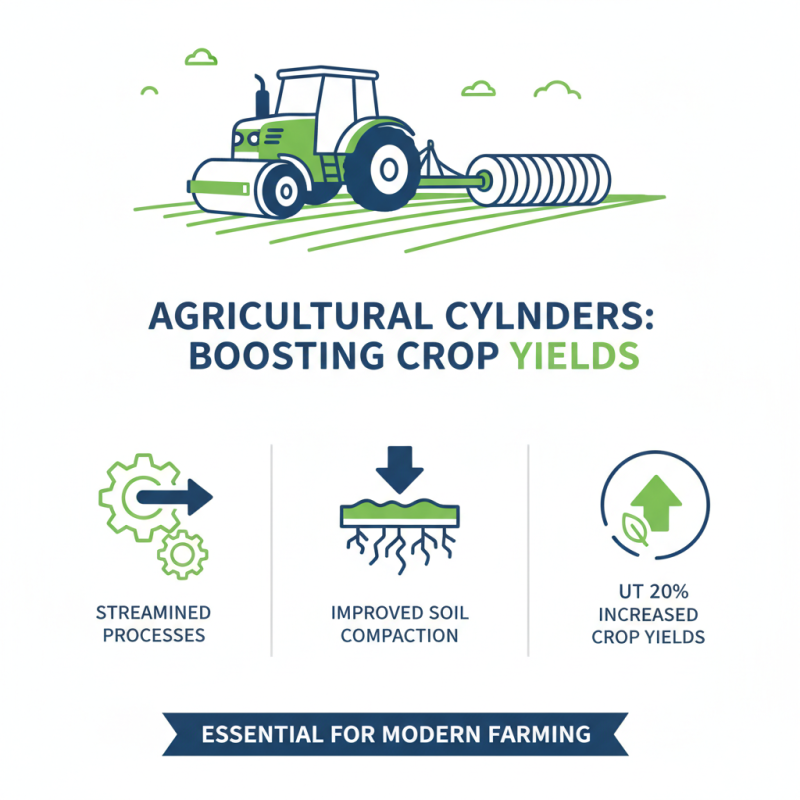
Agricultural cylinders are essential tools in modern farming. They streamline various processes, promoting efficiency in crop production. One major benefit of using these cylinders is their ability to improve soil compaction. Proper soil compaction enhances root growth and increases crop yields. According to a recent report, well-compacted soil can boost yields by up to 20%. It is vital for farmers to understand this benefit to maximize output.
Another significant advantage is precision in planting. Agricultural cylinders can help in achieving uniform seed depth, which is crucial for crop development. Studies show that consistent planting depths can improve germination rates by nearly 15%. This can lead to more uniform growth across fields. However, farmers should be cautious with cylinder settings, as incorrect adjustments could lead to poor seed placement.
Tips: Regular calibration of agricultural cylinders is necessary. Farmers should consider monitoring soil moisture levels. It helps prevent over-compaction, which can harm crops. Proper training on cylinder usage can mitigate risks. Farmers might overlook small adjustments, but these details can make a real difference in production. Being mindful of these factors is essential for effective farming practices.
Maintenance and Care for Agricultural Cylinders in the Field
Proper maintenance of agricultural cylinders is crucial for optimal performance in farming. Regular inspections can uncover leaks or wear. Always check hydraulic seals and connections. Small issues can escalate quickly. Cleaning cylinders after use prevents dirt accumulation. It’s a simple yet effective practice. Dust and debris can cause significant damage over time.
Operators should also monitor fluid levels. Low fluids can lead to inefficiency. Make a habit of refilling hydraulic fluids regularly. When it comes to care, noting any unusual sounds during operation is essential. Are there any odd vibrations? This might indicate a problem that needs immediate attention. Ignoring such signs can result in costly repairs.
Cultivating awareness of your equipment’s condition is key. Consider keeping a maintenance log. Documenting services and repairs enhances accountability. However, even the best plans may face challenges. Weather conditions or time constraints can make maintenance difficult. Don’t overlook the importance of care, even in busy seasons. Regularly scheduled maintenance can prolong the life of agricultural cylinders significantly.

 +86-13349293098
 Contact WhatsApp
 Contact Email